
"leave traces"
700 article(s) found

Coffee Bean Manor, the hometown of Tea and Coffee in Luye Gaotai
Luye Gaotai is a well-known tea village in Taitung. Visit Longtian Butterfly Village in Longgu, Huadong, you can visit Luye Gaotai tea area, visit tea gardens and tea factories, and arrange to stay in tea gardens, taste honey-scented red leaves or Luye coffee, and feel the customs of Luye tribe and industry. Luye Township is right next to the Longgu Highway on the Taiwan-Kowloon Line. The Gaotai area is dotted with tea gardens and is also a paraglider activity base.

Colombian coffee storage method unique flavor
The history of coffee cultivation in Colombia can be traced back to the Spanish colonial era in the 16th century, and there are many theories about the history of coffee in Colombia: one: it is said to come from the island of Haiti in the Caribbean and from El Salvador in Central America. Second: in 1808, a priest introduced coffee beans to Colombia for the first time from the French Antilles via Venezuela. One of them

Introduction of raw and ripe beans in the process of coffee bean germination, growth and baking
According to an Arab legend, around 1250, the exiled chief Omar discovered exuberant wild coffee berries. The hungry and tired sheikh boiled some of the fruit in water and drank the brewed coffee pulp. He liked the change in his diet very much and gave the drink to some people who had just recovered from a serious illness. Chief Omar.

Quality of Colombian coffee grade producing area
The history of coffee cultivation in Colombia can be traced back to the Spanish colonial era in the 16th century, and there are many theories about the history of coffee in Colombia: one: it is said to come from the island of Haiti in the Caribbean and from El Salvador in Central America. Second: in 1808, a priest introduced coffee beans to Colombia for the first time from the French Antilles via Venezuela. One of them

A brief introduction to the names of the three major beverage tea varieties in the world the characteristics of Yunnan Jinsi Yunnan black tea
We often discuss four factors for each kind of natural tea to develop its unique flavor. Variety, harvest date, origin and technology all play a role in shaping the characteristics of finished tea. However, the weight of these factors in defining quality and taste may vary from category to category or even from tea to tea. In order to understand the impact more clearly, tasting some teas that rely heavily on a single factor can help

The four benefits of growing coffee grounds teach you how to lead Starbucks coffee grounds.
Professional coffee knowledge exchange more coffee bean information please follow the coffee workshop (Wechat official account cafe_style) Taiwan's high-quality textile coffee grounds can also be changed into clothes coffee grounds is the waste produced after coffee beans are ground and steamed, it is usually treated as waste, it is good to ask your boss for some when you drink coffee, or there are people in your family who drink coffee, usually.

How about Kenyan Coffee in Africa A brief introduction to the story of Kenyan Coffee plus Chasha processing Plant
Professional coffee knowledge exchange more coffee bean information please follow the coffee workshop (Wechat official account cafe_style) front street-Kenya coffee Jiachasha processing plant brief introduction most coffee beans are uniformly graded by the Kenya Coffee Agency and then sold on the auction floor, the public auction system can be traced back to 1934, the auction method adopts the agent system, Kenya has 50 holders

What is single tea? Blended black tea or single black tea which is better? High-end pure tea brand recommendation
There are many types of blended tea depending on which additive it is mixed with. Here are a few common tea blends: Breakfast tea: Usually a blend of different black teas, it has a strong flavor and goes well with milk. Afternoon tea: These mixed teas (black teas) are usually served earlier than the English breakfast.
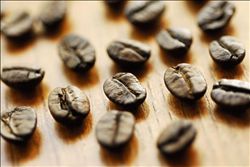
An introduction to the Origin Culture of Colombian Coffee
The history of coffee cultivation in Colombia can be traced back to the Spanish colonial era in the 16th century, and there are many theories about the history of coffee in Colombia: one: it is said to come from the island of Haiti in the Caribbean and from El Salvador in Central America. Second: in 1808, a priest introduced coffee beans to Colombia for the first time from the French Antilles via Venezuela. One of them

Introduction of Coffee Bean Origin and Variety Coffee Bean species and comparison
The history of coffee cultivation in Colombia can be traced back to the Spanish colonial era in the 16th century, and there are many theories about the history of coffee in Colombia: one: it is said to come from the island of Haiti in the Caribbean and from El Salvador in Central America. Second: in 1808, a priest introduced coffee beans to Colombia for the first time from the French Antilles via Venezuela. One of them

Introduction of several kinds of defective beans
Moldy beans: because of incomplete drying, or damp in the process of transportation and storage, cyan and white molds grow, which sometimes make the beans stick together. If these moldy beans are not removed, they will produce moldy smell. Dead beans: beans with abnormal results. The color is not easy to change because of baking, so it is easy to distinguish. The flavor is thin, as harmful as silver skin, and will become different.

Colombian Coffee Flavor Taste Manor production area introduces Hope Manor
The history of coffee cultivation in Colombia can be traced back to the Spanish colonial era in the 16th century, and there are many theories about the history of coffee in Colombia: one: it is said to come from the island of Haiti in the Caribbean and from El Salvador in Central America. Second: in 1808, a priest introduced coffee beans to Colombia for the first time from the French Antilles via Venezuela. One of them

An introduction to the Historical Origin of Coffee cultivation in Colombia
The history of coffee cultivation in Colombia can be traced back to the Spanish colonial era in the 16th century, and there are many theories about the history of coffee in Colombia: one: it is said to come from the island of Haiti in the Caribbean and from El Salvador in Central America. Second: in 1808, a priest introduced coffee beans to Colombia for the first time from the French Antilles via Venezuela. One of them
Classification of coffee plants what kind of coffee is coffee?
Professional coffee knowledge exchange more coffee bean information please follow the coffee workshop (Wechat official account cafe_style) what is coffee? Everyone can recognize roasted coffee beans, but you may not recognize real coffee trees. The white flowers on coffee trees are trimmed short to conserve energy and help harvest, but can grow up to 30 feet (9 meters) tall. Every tree is covered.
Australian Coffee Peak Farm
Australia can be said to be the most eye-catching country in the southern hemisphere. it seems that it has become synonymous with sunshine, beaches and blue seas, the beautiful Great Barrier Reef, the eye-catching Stonehenge Mountain and the mysterious aboriginal culture. no matter which one is enough to make Australia so charming, while in John's private coffee, talking about Australia, it must have something to do with coffee.
Introduction of several defective beans of Coffee beans
Moldy beans: because of incomplete drying, or damp in the process of transportation and storage, cyan and white molds grow, which sometimes make the beans stick together. If these moldy beans are not removed, they will produce moldy smell. Dead beans: beans with abnormal results. The color is not easy to change because of baking, so it is easy to distinguish. The flavor is thin, as harmful as silver skin, and will become a peculiar smell.
Distinguish coffee defective beans
Moldy beans: because of incomplete drying, or damp in the process of transportation and storage, cyan and white molds grow, which sometimes make the beans stick together. If these moldy beans are not removed, they will produce moldy smell. Dead beans: beans with abnormal results. The color is not easy to change because of baking, so it is easy to distinguish. The flavor is thin, as harmful as silver skin, and will become a peculiar smell.

Seoul of Wenqing: Hongda District Art Tour Cafe is around the corner.
Professional barista exchanges please follow the coffee workshop (official Wechat account cafe_style) in October, it is the season to see red leaves in South Korea again. For those of you who don't buy clothes and cosmetics, don't miss the Hongdae, which is the most artistic area. Designers recommend going to the coffee shop to see the chair in the afternoon, which is the best time to sit down in the coffee shop. There are many coffee shops in Seoul, but the local one

Introduction to the flavor and taste characteristics of sweet Colombian coffee manor
The history of coffee cultivation in Colombia can be traced back to the Spanish colonial era in the 16th century, and there are many theories about the history of coffee in Colombia: one: it is said to come from the island of Haiti in the Caribbean and from El Salvador in Central America. Second: in 1808, a priest introduced coffee beans to Colombia for the first time from the French Antilles via Venezuela. One of them
Is litchi black tea high-grade tea or low-grade tea? Why litchi black tea has litchi flavor
Dried leaves of litchi black tea: even in shape and black color aroma: rich litchi flavor tea color: bright orange taste: litchi flavor, smooth taste, sweet and mellow. Tea Garden: Chixi Tea Garden (800 meters above sea level) this is the first choice for tea lovers who like to drink litchi-flavored tea. Litchi is a kind of native to China